
Wisdom Teeth Aftercare West Linn, OR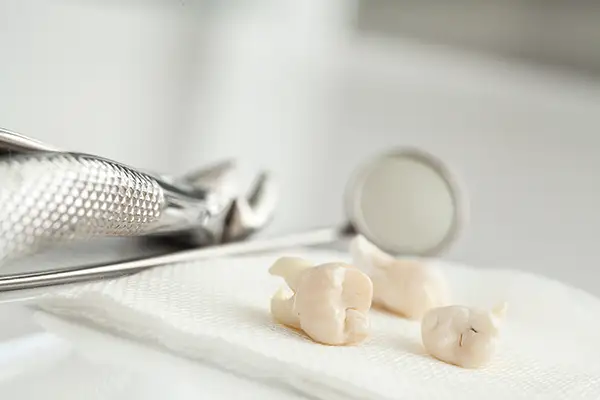 Wisdom teeth removal is a common oral surgery that can protect your smile from crowding, infection, and discomfort. While the procedure itself is typically straightforward, proper aftercare plays an important role in supporting healthy healing. Understanding what to expect after surgery helps patients feel prepared and confident as they recover. Wisdom teeth removal is a common oral surgery that can protect your smile from crowding, infection, and discomfort. While the procedure itself is typically straightforward, proper aftercare plays an important role in supporting healthy healing. Understanding what to expect after surgery helps patients feel prepared and confident as they recover.What To Expect Immediately After Wisdom Teeth RemovalAfter wisdom teeth removal, it is normal to experience some swelling, mild bleeding, and soreness in the treated area. Gauze is usually placed over the extraction sites to help control bleeding, and patients are asked to gently bite down on it for a short period of time. Some oozing may continue during the first day. Swelling often develops within the first 24 hours and may increase slightly during the second day before gradually improving. Applying a cold compress to the outside of the face in short intervals during the first day can help minimize swelling and discomfort. It is also common to feel groggy if sedation or anesthesia was used during the procedure. Patients should plan to rest and avoid strenuous activity for the remainder of the day. The Typical Recovery TimelineRecovery varies from person to person, but most patients begin feeling noticeably better within several days. The first few days are usually when swelling and soreness are most noticeable. During this time, rest and gentle care of the surgical sites are important. Many patients feel comfortable returning to work, school, or normal routines within three to five days. Minor tenderness may continue for a week or slightly longer as the tissues continue to heal. Although the surface tissue closes relatively quickly, the deeper healing process continues for several weeks. Following the recommended aftercare instructions during this time helps protect the surgical area. Eating After Wisdom Teeth SurgeryChoosing the right foods during recovery can make healing more comfortable. For the first day or two, soft foods that require little chewing are usually best:
Foods should be lukewarm rather than hot, as heat may irritate the surgical sites during the early stages of healing. As comfort improves, patients can gradually reintroduce more solid foods. Crunchy, hard, or sticky foods should be avoided until the extraction areas have healed further. Drinking through a straw should also be avoided early on, as suction can disturb the healing process. Normal Healing Vs. Signs Of A ProblemSome discomfort, swelling, and limited jaw movement are normal parts of the healing process. Mild bruising may also appear on the cheeks or jaw in certain cases. Patients may notice a small amount of blood in their saliva during the first day, and the extraction sites will gradually form protective tissue as healing progresses. However, certain symptoms should be evaluated by the dentist. These may include increasing pain several days after surgery, swelling that worsens instead of improving, fever, or persistent bleeding that does not slow down. Unpleasant taste, severe pain radiating through the jaw, or exposed bone may indicate a complication that requires attention. How To Avoid Dry SocketDry socket is one of the most well-known complications that can occur after wisdom teeth removal. It happens when the protective blood clot that forms in the extraction site becomes dislodged or dissolves too early, exposing the underlying bone. Following aftercare instructions carefully helps reduce this risk. Important precautions include:
Keeping the area protected allows the body's natural healing process to move forward without disruption. Supporting A Smooth RecoveryA smooth recovery depends on following the recommended guidelines provided after surgery. Rest, proper nutrition, and careful oral hygiene all contribute to successful healing. Gentle rinsing with saltwater may be recommended after the first day to help keep the area clean. Patients should also continue brushing their teeth, taking care to avoid the surgical sites during the early stages of healing. Every recovery experience is slightly different, but most patients heal without complications and are able to return to their normal routine within a short period of time. If any concerns arise during healing, contacting Roane Family Dental for guidance can help ensure that recovery stays on track. |
 |
